

Introduction
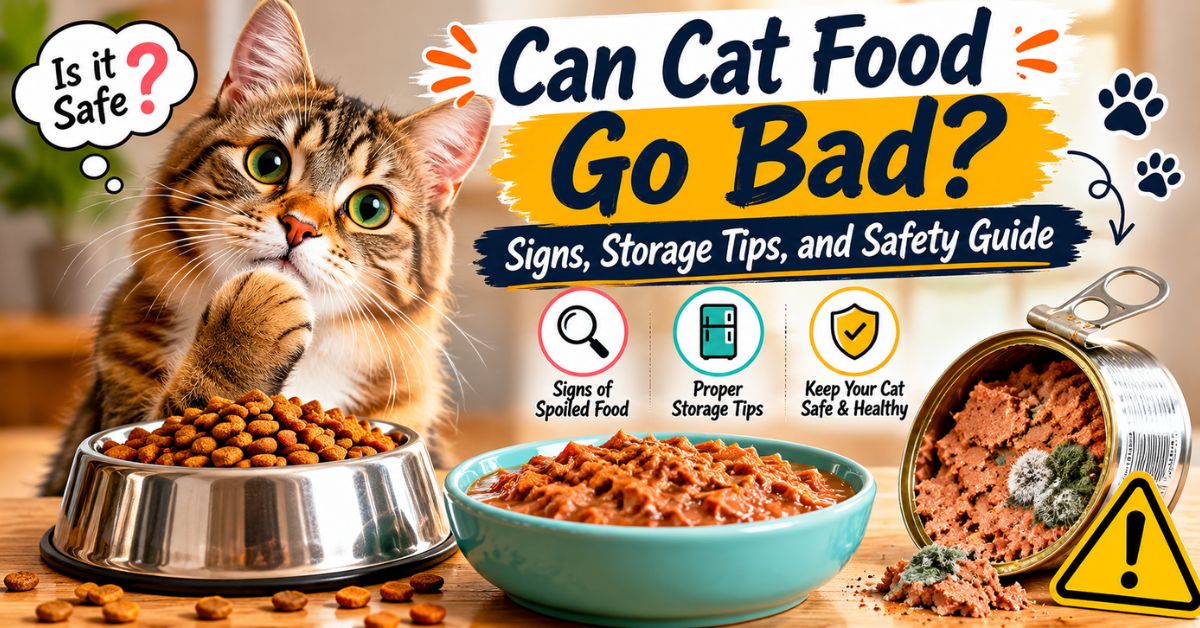
Many cat owners wonder whether can cat food go bad after opening or even before the expiration date. Feeding spoiled food to your cat can lead to stomach problems, food poisoning, or refusal to eat. Understanding how to store cat food properly and recognize signs of spoilage is essential for every pet parent.
Both wet and dry cat food can lose freshness over time. Improper storage, heat, air exposure, and moisture can make cat food unsafe. In this guide, you’ll learn how long cat food lasts, warning signs of spoilage, proper storage methods, and practical feeding tips to keep your furry friend healthy.
Understanding How Can Cat Food Expires
Like human food, cat food has a shelf life. Manufacturers include expiration or “best by” dates to indicate freshness and nutritional quality.
Why Cat Food Goes Bad
Cat food can spoil because of:
- Exposure to air
- Moisture contamination
- Bacterial growth
- High temperatures
- Broken packaging
- Improper storage
Wet food usually spoils faster than dry food because it contains more moisture.
Types of Cat Food and Their Shelf Life
Different cat foods have different storage requirements and expiration periods.
Dry Furry friend food
Dry kibble generally lasts longer because it contains less moisture.
Shelf Life of Dry Food
- Unopened: 6–12 months
- Opened: 4–6 weeks for best freshness
Wet Furry friend food
Wet food is more sensitive to temperature and bacteria.
Shelf Life of Wet Food
- Unopened cans: 1–3 years
- Opened cans: 24–48 hours in the refrigerator
Cat Food Shelf Life Table
| Type of Cat Food | Unopened Shelf Life | Opened Shelf Life | Storage Method |
| Dry Cat Food | 6–12 months | 4–6 weeks | Airtight container |
| Wet Canned Food | 1–3 years | 24–48 hours | Refrigerate after opening |
| Semi-Moist Food | Several months | 2–3 weeks | Sealed package |
| Fresh/Refrigerated Food | Few weeks | 2–3 days | Keep refrigerated |
Signs That Can Cat Food Has Gone Bad
Recognizing spoiled cat food early can protect your cat from illness.
Bad Smell
Fresh cat food has a recognizable scent. If it smells sour, rotten, or unusually strong, it may no longer be safe.
Mold or Discoloration
Visible mold, unusual spots, or color changes are serious warning signs.
Texture Changes
Wet food may become slimy or dry out. Dry food may become soft or stale.
Insects or Bugs
Ants, pantry moths, or other insects indicate contamination.
Your Cat Refuses to Eat
Cats have a strong sense of smell. If your cat suddenly refuses food they usually enjoy, spoilage may be the reason.
Is Expired Furry friend food Dangerous?
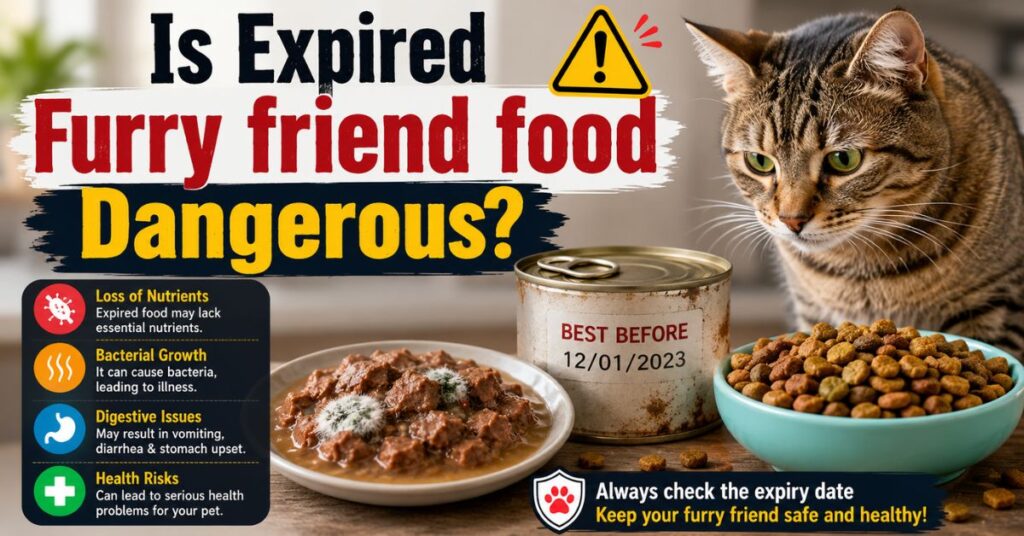
Yes, expired cat food can sometimes be harmful. Nutritional quality decreases over time, and bacteria can grow in spoiled food.
Possible Health Risks
Feeding spoiled food may cause:
- Vomiting
- Diarrhea
- Loss of appetite
- Stomach pain
- Food poisoning
- Dehydration
If your cat becomes sick after eating old food, contact a veterinarian immediately.
How to Store Can Cat Food Properly
Proper storage keeps cat food fresh and safe for longer.
Storage Tips for Dry Food
Keep It in an Airtight Container
Air exposure causes food to lose freshness quickly.
Store in a Cool, Dry Place
Avoid direct sunlight, humidity, or hot kitchens.
Keep Original Packaging
The original bag contains important expiration details and helps preserve freshness.
Storage Tips for Wet Food
Refrigerate After Opening
Opened canned food should always be refrigerated.
Use a Lid or Cover
Cover the can tightly to prevent odors and bacteria.
Avoid Leaving Food Out Too Long
Wet food should not stay at room temperature for more than 1–2 hours.
How Long Can Wet Cat Food Sit Out?
Wet food spoils quickly when exposed to air and warm temperatures.
Recommended Time Limits
- Cool weather: Up to 2 hours
- Hot weather: Less than 1 hour
Bacteria multiply rapidly in moist food left out too long.
Can Cats Eat Cold Food From the Refrigerator?
Some cats dislike cold food because it reduces aroma and flavor.
Helpful Tip
Warm refrigerated wet food slightly before serving. Use warm water or let it sit at room temperature for a few minutes. Avoid overheating.
Common Mistakes Cat Owners Make
Many owners accidentally reduce the freshness of cat food without realizing it.
Leaving Food Open
Open bags and cans allow moisture and bacteria to enter.
Buying Too Much Food
Large quantities may expire before being used.
Mixing Old and New Food
Old food can contaminate fresh food.
Ignoring Expiration Dates
Always check packaging before feeding your cat.
How to Choose Fresh and Safe Cat Food
Buying high-quality food reduces the risk of spoilage and improves your cat’s nutrition.
What to Look For
- Intact packaging
- Clear expiration date
- Trusted brands
- No dents in canned food
- Fresh smell after opening
Can Denting Affect Canned Kitty food ?
Yes, damaged cans can sometimes be dangerous.
Avoid Cans With
- Deep dents
- Rust
- Bulging lids
- Leaks
These signs may indicate bacterial contamination inside the can.
Tips to Keep Your Cat Healthy During Feeding
Healthy feeding habits are just as important as choosing good food.
Practical Feeding Tips
- Wash food bowls daily
- Use clean scoops
- Serve proper portions
- Store food safely
- Discard leftover wet food promptly
Good hygiene reduces bacteria and keeps meals fresh.
What Happens If a Cat Eats Spoiled Food?
Cats may experience mild or severe symptoms depending on the amount eaten and the level of contamination.
Symptoms to Watch For
- Vomiting
- Diarrhea
- Lethargy
- Fever
- Excessive drooling
- Refusal to eat
Seek veterinary help if symptoms continue or worsen.
Does Freezing Kitty food Help?
Freezing can extend freshness for certain types of Cat kibble.
Freezing Tips
- Freeze small portions
- Use freezer-safe containers
- Label dates clearly
- Thaw in the refrigerator
Never refreeze thawed food repeatedly.
Wet Food vs Dry Food: Which Lasts Longer?
Dry food generally has a longer shelf life, but wet food offers higher moisture content that benefits hydration.
Quick Comparison
Dry Food
- Longer storage life
- Easier to store
- More convenient
Wet Food
- Better hydration
- Stronger flavor
- Spoils faster
Many cat owners combine both for balanced feeding.
Conclusion
Understanding whether can Kitty food go bad is important for protecting your pet’s health and nutrition. Both wet and dry food can spoil if stored improperly or kept too long after opening. Checking expiration dates, watching for signs of spoilage, and following proper storage methods can help keep your cat safe and happy.
At WhyKittiesHome, we believe that healthy feeding habits are one of the best ways to support your cat’s long-term wellness. By choosing fresh food and storing it correctly, you can give your feline companion safer and healthier meals every day.
Spoiled Cat kibble may smell bad, show mold, change texture, or cause your cat to refuse eating it.
Small amounts may not always cause harm, but expired dry food loses nutrients and may become unsafe over time.
Opened wet Furry friend food usually lasts 24–48 hours in the refrigerator.
Dry food can stay out longer than wet food, but it should still be kept away from moisture and insects.
Yes, spoiled food can cause vomiting, diarrhea, dehydration, and other health problems.

Muhammad Ahad — Passionate writer sharing informative, engaging, and easy-to-read articles across different topics. Focused on delivering valuable content that helps readers learn, explore, and stay inspired every day.
1 thought on “Can Cat Food Go Bad? Signs, Storage Tips, and Safety Guide”