

Introduction
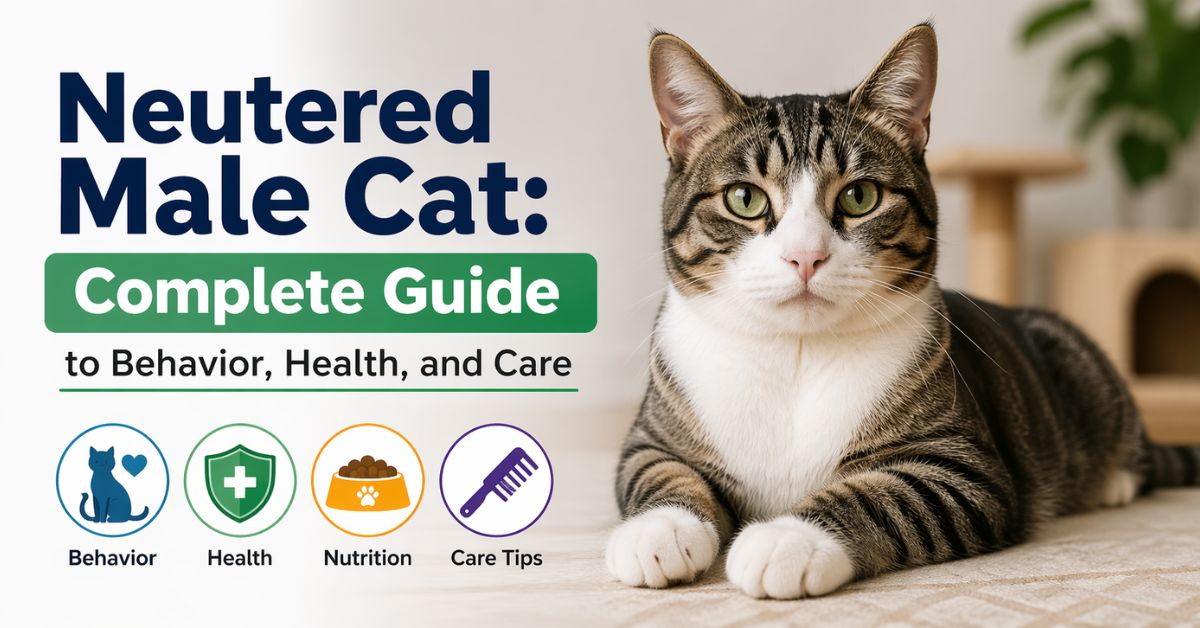
If you share your home with a neutered male cat, you’ve likely noticed changes in his behavior, personality, and overall lifestyle. Neutering is one of the most responsible decisions a cat owner can make not only for population control but also for improving a cat’s quality of life.
This comprehensive guide by WhyKittiesHome will walk you through everything you need to know about caring for a neutered male cat. From behavioral changes to health benefits and daily care tips, you’ll find practical advice to help your feline companion thrive.
What Is a Neutered Male Cat?
A castrated male cat is a cat that has undergone a surgical procedure to remove the testicles. This process eliminates the production of testosterone, which significantly influences a cat’s behavior and physical traits.
Why Neutering Matters
Neutering isn’t just about preventing unwanted litters. It also plays a major role in shaping your cat’s temperament and long-term health.
Key reasons to neuter your cat:
- Reduces aggressive tendencies
- Prevents territorial spraying
- Lowers the risk of certain diseases
- Helps control the stray cat population
Behavioral Changes in a Neutered Male Cat
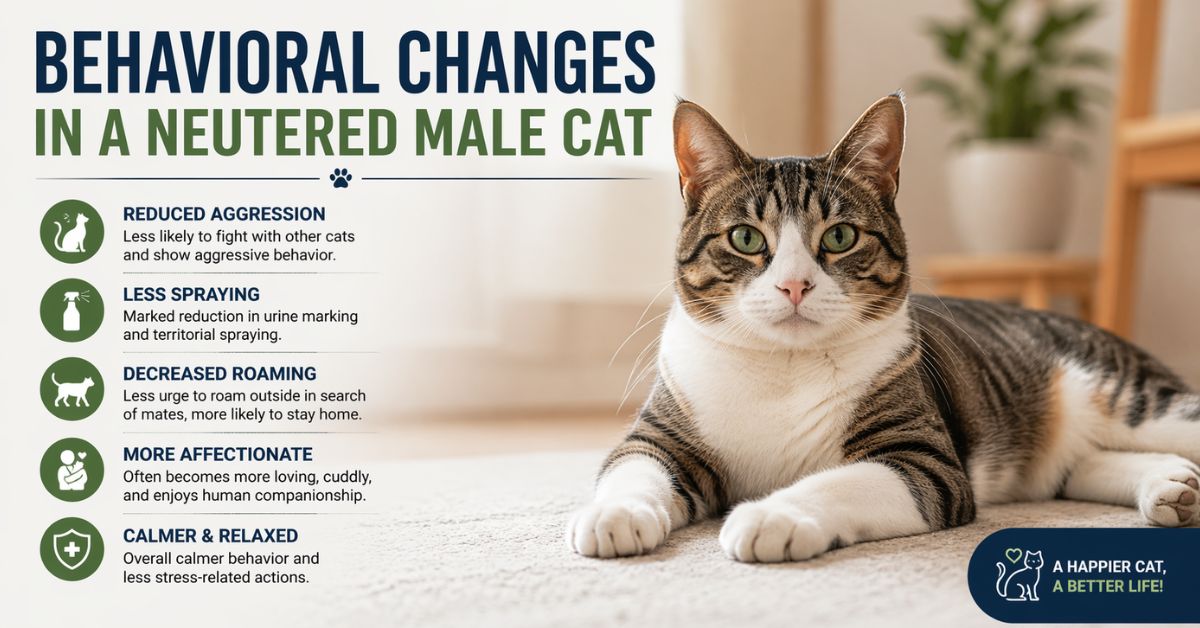
One of the most noticeable differences in a castrated male cat is his calmer and more predictable behavior.
Reduced Aggression
After neutering, many male cats become less territorial and aggressive. They are less likely to:
- Fight with other cats
- Mark territory with urine
- Display dominance behaviors
Decreased Roaming
Unneutered male cats often roam far from home in search of mates. A castrated male cat tends to stay closer, making him safer from:
- Traffic accidents
- Injuries from fights
- Getting lost
More Affectionate Personality
Many owners report that their castrated male cat becomes more affectionate and people-oriented.
Health Benefits of a Neutered Male Cat
Neutering significantly improves a cat’s overall health and lifespan.
Lower Risk of Diseases
A altered male cat has a reduced risk of:
- Testicular cancer (eliminated entirely)
- Prostate problems
- Sexually transmitted infections
Longer Lifespan
Studies show that neutered cats tend to live longer because they:
- Engage in fewer risky behaviors
- Experience less stress from mating instincts
Nutritional Needs of a Neutered Male Cat
After neutering, your cat’s metabolism slows down, which can lead to weight gain if not managed properly.
Feeding Tips
To maintain a healthy weight for your altered male cat:
- Choose high-quality, balanced cat food
- Monitor portion sizes carefully
- Avoid excessive treats
Ideal Diet Components
- High protein content
- Moderate fat levels
- Essential vitamins and minerals
Weight Management Guide
Below is a helpful comparison table for managing the weight of a altered male cat:
| Factor | Before Neutering | After Neutering |
| Metabolism | Higher | Slower |
| Activity Level | More active | Slightly reduced |
| Food Intake | Moderate | Needs control |
| Risk of Obesity | Lower | Higher |
| Diet Recommendation | Regular diet | Weight-control formula |
Exercise and Activity Needs
Even though a sterilized male cat may become less active, regular exercise is still essential.
Fun Activities
Keep your cat engaged with:
- Interactive toys
- Laser pointers
- Climbing trees or scratching posts
Daily Routine
Aim for at least 20–30 minutes of playtime daily to:
- Prevent obesity
- Stimulate mental health
- Strengthen your bond
Grooming and Hygiene
A neutered male cat generally maintains good hygiene, but regular grooming is still necessary.
Grooming Tips
- Brush fur weekly to reduce shedding
- Trim nails every 2–3 weeks
- Clean ears occasionally
Litter Box Habits
Neutered cats are less likely to spray, making litter training easier and cleaner.
Common Myths About Neutered Male Cats
There are several misconceptions about a sterilized male cat that need clarification.
Myth 1: Neutering Changes Personality Completely
Truth: It reduces unwanted behaviors but keeps your cat’s core personality intact.
Myth 2: Neutered Cats Become Lazy
Truth: Activity levels may decrease slightly, but proper play keeps them active.
Myth 3: Neutering Causes Immediate Weight Gain
Truth: Weight gain occurs only if diet and exercise are not managed.
Tips for First-Time Owners
If you’ve recently adopted a male cat after neutering, here are some practical tips:
Create a Comfortable Environment
- Provide a cozy sleeping space
- Ensure access to clean water
- Maintain a quiet and safe home
Establish Routine
- Feed at the same time daily
- Schedule regular play sessions
- Keep the litter box clean
Regular Vet Checkups
Routine visits ensure your neutered male cat stays healthy and up to date on vaccinations.
Conclusion
Caring for a male cat after neutering is both rewarding and manageable when you understand his needs. From improved behavior to better health, neutering offers countless benefits that enhance your cat’s quality of life.
By providing proper nutrition, regular exercise, and consistent care, you can ensure your feline companion stays happy and healthy for years to come.
At WhyKittiesHome, we believe every cat deserves a loving and informed owner and this guide is your step toward becoming one.
Most veterinarians recommend neutering between 4 to 6 months of age, but it can be done later as well.
In most cases, spraying behavior significantly reduces or stops entirely after neutering.
Yes, a neutered male cat benefits from a diet formulated to prevent weight gain and support urinary health.
Absolutely. Neutered cats are generally more social and adapt well to multi-pet households.

Muhammad Ahad — Passionate writer sharing informative, engaging, and easy-to-read articles across different topics. Focused on delivering valuable content that helps readers learn, explore, and stay inspired every day.
1 thought on “Neutered Male Cat: Complete Guide to Behavior, Health, and Care”