

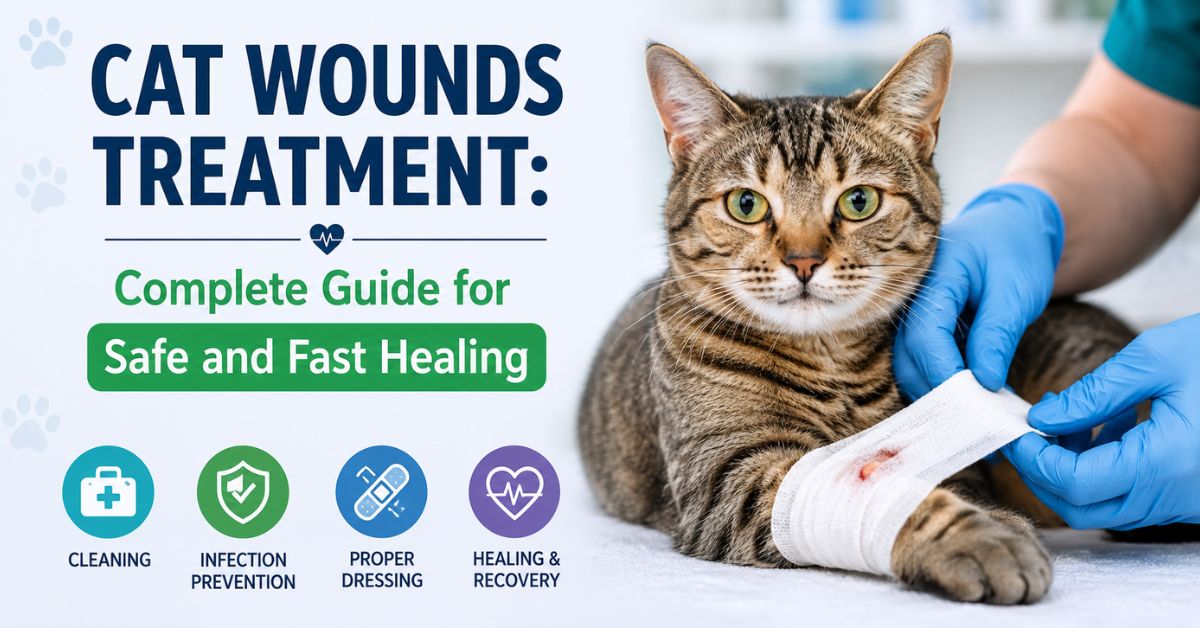
Introduction
Cats are naturally curious animals, and their adventurous behavior sometimes leads to scratches, cuts, bites, or other injuries. Whether your cat spends time outdoors or stays inside, accidents can happen unexpectedly. Understanding proper cat wounds treatment is essential for every pet owner because even small wounds can become infected if ignored.
Many cat injuries heal quickly with proper care, while deeper wounds may require veterinary attention. Learning how to identify different types of wounds, clean them safely, and monitor the healing process can help your feline friend recover comfortably.
In this guide by WhyKittiesHome, you will learn everything about cat wounds treatment, including home care methods, warning signs of infection, healing tips, and when to contact a veterinarian.
Understanding Common Cat Wounds
Cats can suffer from various injuries depending on their environment and lifestyle. Some wounds appear minor but may hide serious infections beneath the skin.
Common Types of Cat Wounds
Scratches and Minor Cuts
These are usually caused by rough play, sharp objects, or fights with other animals. Minor cuts often heal quickly with proper cleaning.
Bite Wounds
Cat bites are dangerous because bacteria from teeth can enter deep into the tissue. Bite wounds frequently lead to abscesses and infections.
Puncture Wounds
These wounds are small on the surface but can damage deeper tissues underneath the skin.
Abrasions
Abrasions occur when a cat scrapes its skin against rough surfaces. They usually affect the outer skin layer.
Surgical Wounds
After medical procedures, cats require careful wound monitoring to prevent reopening or infection.
Signs That Your Cat Has a Wound
Sometimes a cat’s thick fur hides injuries, making them difficult to notice immediately.
Symptoms to Watch For
- Bleeding
- Swelling
- Limping
- Hair loss around the area
- Redness
- Bad odor
- Pus discharge
- Excessive licking
- Pain when touched
- Loss of appetite
If your cat suddenly behaves differently, inspect its body carefully for hidden injuries.
First Aid Steps for Cat Wounds Treatment
Providing immediate care can prevent complications and support faster healing.
Step 1: Keep Your Cat Calm
Injured cats may become scared or aggressive. Wrap your cat gently in a towel if necessary to prevent scratching.
Step 2: Examine the Wound
Look closely at the size, depth, and location of the injury. Determine whether the wound is minor or requires emergency veterinary care.
Step 3: Stop the Bleeding
Use a clean cloth or sterile gauze and apply gentle pressure for several minutes.
Step 4: Clean the Wound
Cleaning is one of the most important parts of cat wounds treatment.
Use:
- Warm saline solution
- Clean water
- Pet-safe antiseptic recommended by a veterinarian
Avoid:
- Hydrogen peroxide
- Alcohol
- Harsh disinfectants
These products may damage healthy tissue and slow healing.
Step 5: Prevent Licking
Cats naturally lick wounds, but excessive licking introduces bacteria and delays recovery. Use an Elizabethan collar if needed.
When to Visit a Veterinarian
Not all wounds can be treated at home safely.
Seek Veterinary Help If:
- The wound is deep
- Bleeding does not stop
- You notice pus or foul odor
- Your cat has difficulty walking
- The wound was caused by an animal bite
- Your cat has fever or lethargy
- The injury is near the eyes
- Bone or muscle is visible
Professional veterinary care is extremely important for severe injuries.
Important Supplies for Cat Wound Care
Having a pet first aid kit at home makes emergency care easier.
| Supply | Purpose |
| Sterile Gauze | Stops bleeding |
| Saline Solution | Cleans wounds safely |
| Pet-Safe Antiseptic | Prevents infection |
| Soft Towel | Keeps cat secure |
| Elizabethan Collar | Prevents licking |
| Disposable Gloves | Maintains hygiene |
| Bandages | Protects healing wounds |
How to Prevent Wound Infections
Infections are one of the biggest risks during cat wounds treatment.
Tips to Reduce Infection Risk
Keep the Wound Clean
Clean the area exactly as directed by your veterinarian.
Change Bandages Regularly
Dirty or wet bandages increase bacterial growth.
Limit Outdoor Activity
Outdoor environments expose wounds to dirt and germs.
Monitor Healing Daily
Watch for swelling, redness, or discharge.
Give Prescribed Medications
Always complete the full course of antibiotics if prescribed.
Stages of Cat Wound Healing
Understanding the healing process helps you know whether recovery is progressing normally.
Stage 1: Inflammation
This begins immediately after injury. Mild redness and swelling are common.
Stage 2: Tissue Repair
New tissue starts forming, and the wound begins closing.
Stage 3: Skin Regeneration
Healthy skin gradually replaces damaged tissue.
Stage 4: Final Healing
Hair regrows, and the skin becomes stronger over time.
Most minor wounds heal within one to two weeks.
Natural Supportive Care for Healing
While veterinary guidance is essential, supportive home care also helps.
Healthy Nutrition
Good nutrition supports tissue repair and immune health.
Feed your cat:
- High-protein food
- Fresh water
- Nutrient-rich wet food
Reduce Stress
Stress weakens the immune system and slows healing. Provide a calm resting area away from noise and other pets.
Maintain Hygiene
Wash your hands before and after handling wounds to prevent bacterial contamination.
Mistakes to Avoid During Cat Wounds Treatment
Some common mistakes can worsen injuries significantly.
Avoid These Errors
Using Human Medications
Many human creams and painkillers are toxic to cats.
Ignoring Small Bite Wounds
Tiny punctures often become infected quickly.
Over-Bandaging
Tight bandages reduce blood circulation.
Delaying Veterinary Care
Waiting too long may allow infections to spread.
Letting Cats Scratch the Area
Scratching can reopen healing wounds.
Indoor vs Outdoor Cats: Injury Risks
Outdoor cats generally face more injury risks than indoor cats.
Outdoor Cat Risks
- Animal fights
- Car accidents
- Sharp objects
- Parasites
- Infections
Indoor Cat Risks
- Sharp furniture edges
- Falls
- Household accidents
- Burns
Regardless of lifestyle, every cat benefits from proper cat wounds treatment knowledge.
How Long Does It Take for Cat Wounds to Heal?
Healing time depends on:
- Wound depth
- Infection presence
- Cat’s age
- Overall health
- Nutrition
Minor wounds may heal within days, while severe injuries can require several weeks.
Older cats and cats with weakened immune systems usually heal more slowly.
Signs That a Wound Is Healing Properly
Healthy healing often includes:
- Reduced redness
- Decreased swelling
- Dry wound surface
- Gradual hair regrowth
- Normal behavior returning
If the wound suddenly worsens after improvement, contact your veterinarian immediately.
Signs of an Infected Cat Wound
Recognizing infection early can save your cat from serious complications.
Common Infection Symptoms
- Yellow or green discharge
- Strong odor
- Heat around the wound
- Swelling
- Fever
- Loss of appetite
- Extreme tiredness
Infected wounds require urgent veterinary attention.
How Veterinarians Treat Severe Cat Wounds
Professional treatment may include:
- Deep wound cleaning
- Stitches
- Drain placement
- Antibiotics
- Pain medication
- Surgery in severe cases
Veterinarians may also shave fur around the injury to improve cleaning and healing.
Tips for Faster Recovery
Helping your cat recover comfortably is an important part of cat wounds treatment.
Recovery Tips
- Keep your cat indoors
- Follow medication schedules carefully
- Prevent jumping and rough activity
- Provide clean bedding
- Attend follow-up veterinary visits
Patience and consistency are key during recovery.
Conclusion
Understanding proper cat wounds treatment can make a major difference in your cat’s health and recovery. Quick action, proper cleaning, infection prevention, and timely veterinary care are essential for safe healing. Even small injuries should be monitored carefully because cats are skilled at hiding pain and discomfort.
By following the advice in this guide, you can help your feline companion recover safely and comfortably. At WhyKittiesHome, we are committed to providing trusted cat care information that helps pet owners keep their furry friends healthy, happy, and protected every day.
Minor cuts and scrapes can often be treated at home with proper cleaning and monitoring. Deep or infected wounds require veterinary care.
Pet-safe antiseptics recommended by veterinarians are safest. Avoid alcohol and hydrogen peroxide.
Cats instinctively lick injuries, but excessive licking can delay healing and introduce bacteria.
Signs include swelling, pus, foul smell, redness, fever, and pain around the area.
Some wounds benefit from bandages, while others heal better uncovered. Always follow veterinary advice.

Muhammad Ahad — Passionate writer sharing informative, engaging, and easy-to-read articles across different topics. Focused on delivering valuable content that helps readers learn, explore, and stay inspired every day.
1 thought on “Cat Wounds Treatment: Complete Guide for Safe and Fast Healing”