

Introduction
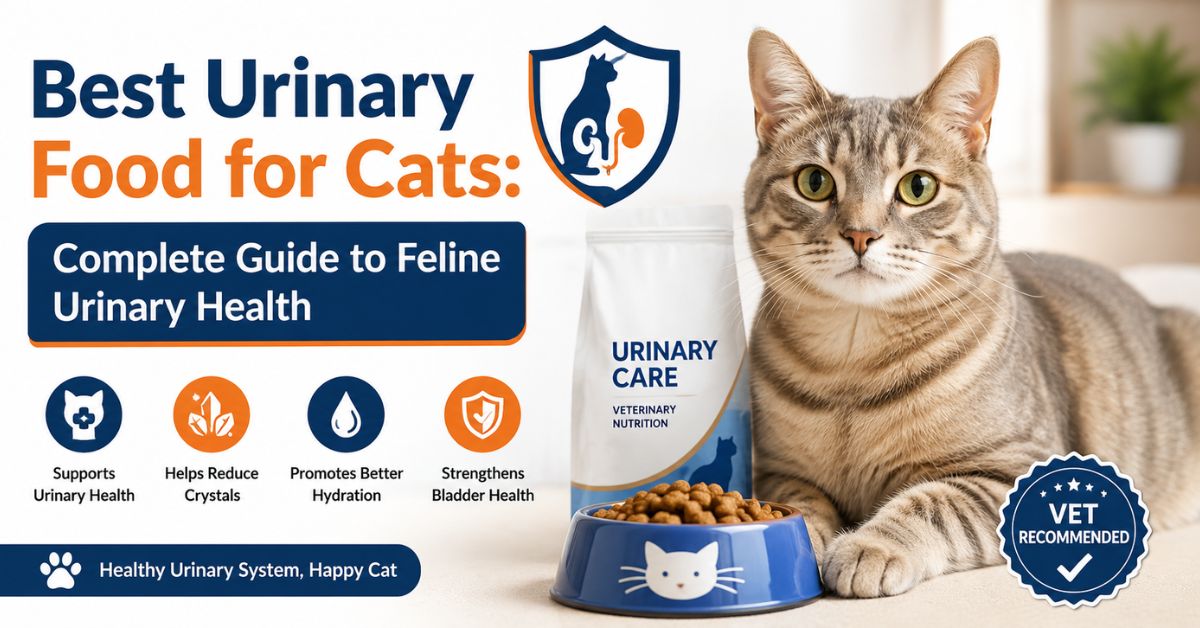
Cats are naturally prone to urinary tract problems, especially when they do not drink enough water or consume poor-quality diets. Many cat owners struggle with issues like urinary crystals, bladder inflammation, and recurring urinary infections. Choosing the right urinary food for cats can make a huge difference in your cat’s health and comfort.
A proper urinary diet is specially designed to support bladder health, reduce crystal formation, and maintain healthy urine pH levels. Whether your cat has already experienced urinary issues or you simply want preventive care, understanding the importance of urinary food for cats is essential.
In this complete guide, WhyKittiesHome explains everything you need to know about urinary diets, ingredients to look for, feeding tips, and the best ways to keep your feline healthy.
What Is Urinary Food for Cats?
Urinary food for cats is a specially formulated diet designed to support the urinary tract and reduce the risk of urinary problems. These foods help maintain balanced urine acidity and encourage proper hydration.
Most urinary diets are created to:
- Reduce urinary crystal formation
- Support bladder health
- Increase water intake
- Lower mineral levels that contribute to stones
- Maintain healthy urine pH
These diets are often recommended by veterinarians for cats suffering from urinary tract infections, bladder stones, or feline lower urinary tract disease (FLUTD).
Common Urinary Problems in Cats
Understanding urinary issues helps cat owners recognize symptoms early.
Urinary Crystals
Urinary crystals form when minerals in urine become concentrated. They may lead to painful blockages.
Bladder Stones
Bladder stones are hard mineral deposits that can irritate the bladder and block urine flow.
Urinary Tract Infections (UTIs)
Bacteria can infect the urinary tract, causing pain and inflammation.
Feline Lower Urinary Tract Disease (FLUTD)
FLUTD is a general term covering several urinary conditions in cats.
Common Symptoms
Watch for these warning signs:
- Frequent trips to the litter box
- Straining while urinating
- Blood in urine
- Crying during urination
- Urinating outside the litter box
- Reduced appetite
- Excessive licking of genital area
If you notice these symptoms, contact your veterinarian immediately.
How Urinary Food for Cats Works
The main goal of urinary food for cats is to create a healthier urinary environment.
Controls Mineral Levels
These foods contain balanced amounts of:
- Magnesium
- Calcium
- Phosphorus
Lower mineral levels help prevent crystal and stone formation.
Supports Healthy Urine pH
A balanced urine pH reduces the chances of harmful crystals developing in the bladder.
Encourages Hydration
Wet urinary foods contain high moisture levels, helping cats stay hydrated and flush toxins from the body.
Reduces Stress on the Bladder
Some urinary diets include calming ingredients that support stress reduction because stress can contribute to urinary problems.
Wet vs Dry Urinary Food for Cats
Both wet and dry urinary diets have benefits. However, many veterinarians prefer wet food for urinary health.
| Type of Food | Benefits | Drawbacks |
| Wet Urinary Food | High moisture, better hydration, supports bladder flushing | Shorter shelf life after opening |
| Dry Urinary Food | Convenient, easy storage, cost-effective | Lower moisture content |
| Mixed Feeding | Combines hydration and convenience | Requires portion control |
For many cats, combining wet and dry urinary food for cats works well.
Ingredients to Look for in Urinary Food for Cats
Not all urinary diets are equal. High-quality formulas contain beneficial nutrients that support overall health.
High Moisture Content
Hydration is one of the most important factors in urinary health.
Moderate Protein Levels
Cats need animal protein, but balanced protein levels are important for urinary management.
Controlled Minerals
Look for foods with controlled:
- Magnesium
- Calcium
- Phosphorus
Omega-3 Fatty Acids
Omega-3s help reduce inflammation in the urinary tract.
Added Antioxidants
Antioxidants support immune health and overall wellness.
Ingredients to Avoid
Certain ingredients may worsen urinary issues.
Avoid foods with:
- Excessive salt
- Artificial preservatives
- Low-quality fillers
- Too much magnesium
- Artificial colors
Cheap cat food can sometimes contribute to urinary complications.
Prescription vs Non-Prescription Urinary Cat Food
There are two main types of urinary food for cats.
Prescription Urinary Food
Prescription diets are recommended for cats with diagnosed urinary conditions.
Benefits include:
- Clinically tested formulas
- Precise mineral control
- Veterinary supervision
Non-Prescription Urinary Food
These foods support general urinary health and prevention.
Benefits include:
- Easier availability
- Lower cost
- Suitable for healthy cats needing support
Always consult your vet before switching to a prescription urinary diet.
Best Feeding Tips for Cats With Urinary Problems
A healthy diet alone may not solve urinary issues. Proper feeding habits also matter.
Encourage Water Intake
Cats naturally drink little water. Increase hydration by:
- Providing fresh water daily
- Using water fountains
- Feeding wet food
- Adding water to meals
Feed Smaller Meals
Smaller, frequent meals can improve digestion and urinary balance.
Maintain a Healthy Weight
Obesity increases the risk of urinary disease.
Reduce Stress
Stress can trigger urinary problems in cats.
Ways to reduce stress:
- Keep a consistent routine
- Provide quiet resting spaces
- Use interactive toys
- Maintain clean litter boxes
Can Urinary Food for Cats Prevent Blockages?
In many cases, yes. A proper urinary diet may significantly lower the risk of crystal formation and urinary blockages.
However, severe urinary blockages are emergencies and require immediate veterinary treatment.
Male cats are especially vulnerable because their urethras are narrower than female cats.
Signs Your Cat May Need Urinary Food for Cats
You may consider a urinary-support diet if your cat:
- Has a history of urinary crystals
- Experiences repeated urinary infections
- Struggles with bladder inflammation
- Drinks very little water
- Is overweight
- Eats low-quality dry food only
Preventive urinary nutrition can help avoid future health issues.
Transitioning Your Cat to a Urinary Diet
Cats can be sensitive to sudden food changes. Transition gradually over 7–10 days.
Transition Schedule
| Day | Old Food | New Urinary Food |
| 1–2 | 75% | 25% |
| 3–4 | 50% | 50% |
| 5–6 | 25% | 75% |
| 7+ | 0% | 100% |
Gradual transitions help avoid digestive upset.
Homemade Diets and Urinary Health
Some owners consider homemade meals, but balancing nutrients correctly is difficult.
Improper homemade diets may worsen urinary issues.
If you want homemade options:
- Consult a veterinary nutritionist
- Ensure proper mineral balance
- Include adequate moisture
- Avoid unsafe ingredients
Commercial urinary diets are generally safer and more reliable.
Additional Ways to Support Feline Urinary Health
Diet is only one part of urinary care.
Keep Litter Boxes Clean
Dirty litter boxes may cause cats to hold urine, increasing health risks.
Provide Multiple Water Sources
Place water bowls in different rooms.
Schedule Regular Vet Checkups
Routine veterinary visits help detect urinary issues early.
Encourage Exercise
Active cats maintain healthier body weight and better overall wellness.
Myths About Urinary Food for Cats
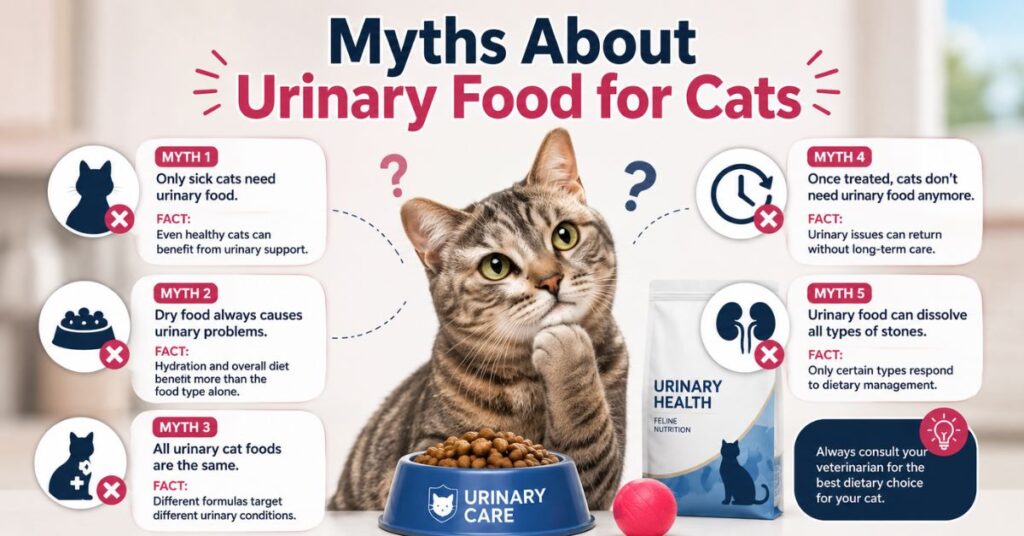
Myth 1: Only Older Cats Need Urinary Food
Cats of all ages can develop urinary problems.
Myth 2: Dry Food Always Causes Urinary Disease
Dry food alone is not always harmful, but hydration matters greatly.
Myth 3: All Urinary Cat Foods Are the Same
Different formulas target different urinary conditions.
Myth 4: Cats Recover Permanently After One Treatment
Urinary issues often return without proper long-term management.
Conclusion
Choosing the right urinary food for cats is one of the best ways to support your feline’s long-term health. A quality urinary diet can help reduce crystals, improve hydration, support bladder function, and prevent painful urinary problems.
Every cat is different, so always monitor your pet’s behavior and consult a veterinarian if urinary symptoms appear. Combined with proper hydration, stress reduction, and regular veterinary care, the right urinary diet can greatly improve your cat’s quality of life.
At WhyKittiesHome, we believe that informed cat owners make healthier choices for their beloved pets. Providing the best urinary food for cats is an important step toward keeping your furry companion happy, comfortable, and healthy for years to come.
Yes, some urinary-support diets are suitable for healthy cats, especially those at risk of urinary issues.
Some cats need urinary diets temporarily, while others require lifelong management. Your veterinarian can guide you.
Wet food is often preferred because it increases hydration and supports bladder flushing.
Certain prescription urinary diets may help dissolve specific types of stones, but veterinary supervision is essential.
Indoor cats may face higher urinary risks due to reduced activity and lower water intake.

Muhammad Ahad — Passionate writer sharing informative, engaging, and easy-to-read articles across different topics. Focused on delivering valuable content that helps readers learn, explore, and stay inspired every day.
1 thought on “Urinary Food for Cats: Complete Guide to Feline Urinary Health”